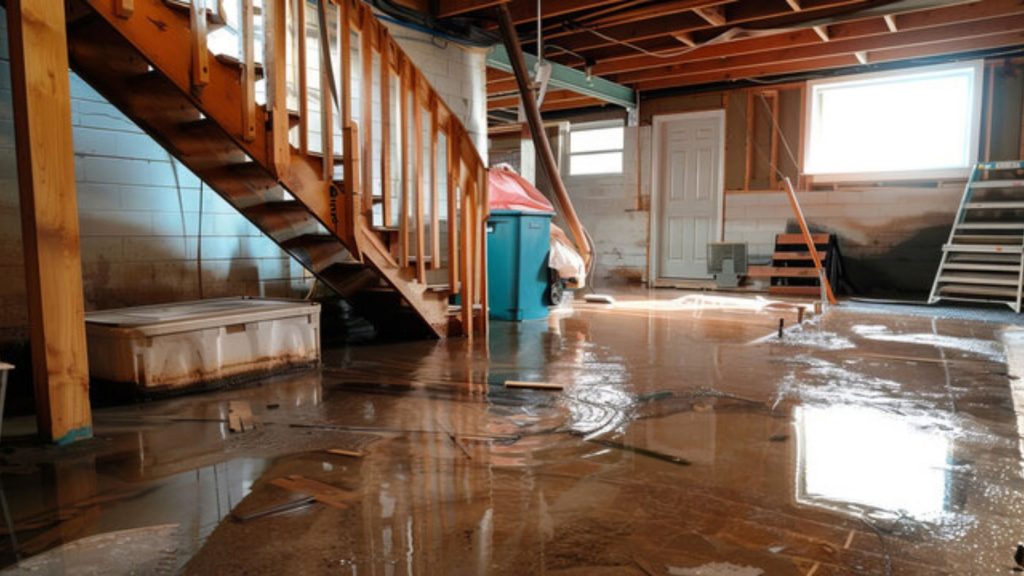
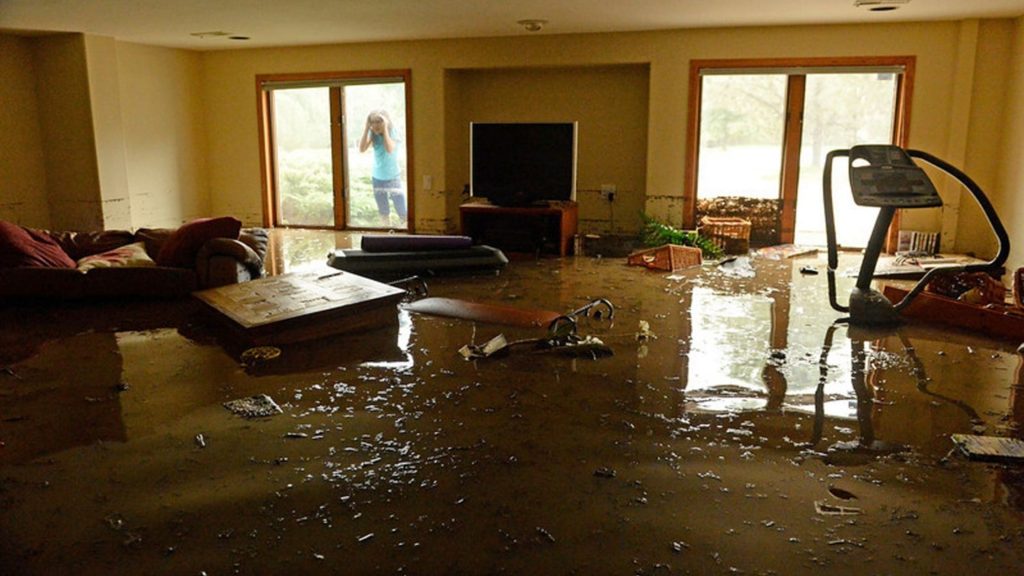
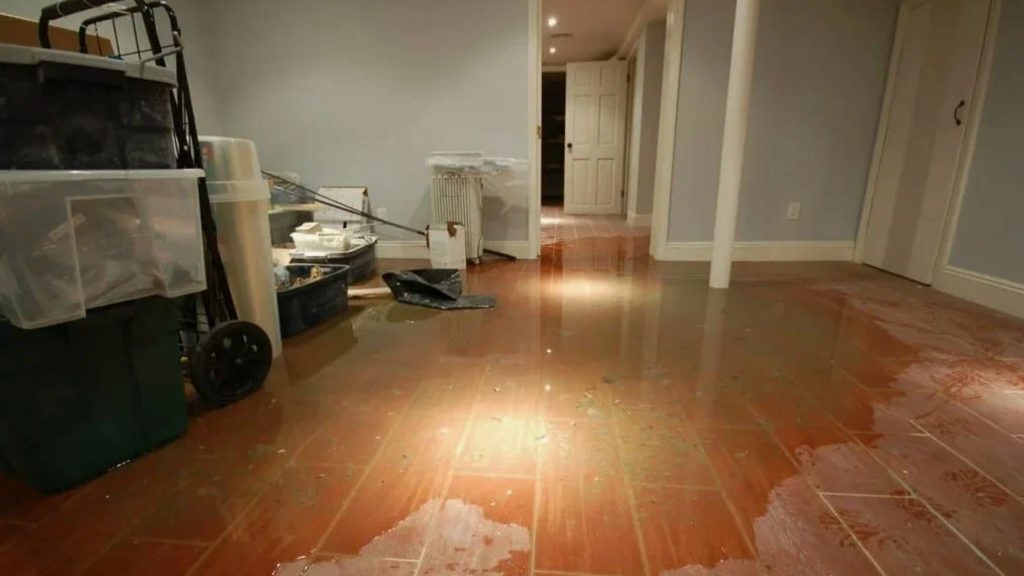
Water damage can happen when you least expect it, leaving your furniture soaked and at risk for further issues. Whether it’s due to a burst pipe, flood, or accidents like an overflowing bathtub, knowing how to dry out your furniture is crucial. Quick action can help save your beloved pieces from permanent damage and unwanted mold growth.
It’s important to approach this task step by step to ensure the best results. From identifying the type of water that caused the damage to using the right tools for drying, each step requires care and attention. With the right guidance, you can restore your furniture’s appearance and function. Additionally, learning how to prevent future water incidents can provide peace of mind. By taking the right steps now, you can protect your home and belongings from similar troubles down the road.
Identifying the Type of Water Damage
Understanding the type of water damage your furniture has suffered is crucial for choosing the right drying method and preventing further issues. Water damage is typically classified into three categories: clean water, gray water, and black water.
Clean water typically comes from sources like broken pipes or rainwater. This kind of water is generally safe and poses the least risk to your health and furniture. Gray water, however, is slightly contaminated. It might originate from appliances like washing machines or dishwashers. This water carries some health risks, so you should handle your furniture carefully and clean it thoroughly. Black water is the most harmful type, often resulting from sewage backups or flooding from rivers or streams. It contains harmful bacteria and other pathogens, making it necessary to exercise caution.
To determine the severity of the damage, identify the source of the water. If it’s uncertain, err on the side of caution and treat it as gray or black water. Recognizing the type helps you plan the drying and cleaning process effectively. Ignoring the water type can lead to improper handling, which can worsen damage or expose you to health hazards. Proper identification helps ensure your furniture receives the best care possible.
Initial Steps to Take After Water Exposure
Acting quickly after your furniture gets wet can prevent further destruction and save you time and effort later on. Here are the initial steps you should take:
1. Remove Furniture: Move the affected furniture away from wet areas to minimize further exposure. Place it in a dry space with good airflow.
2. Clean the Area: Wipe up excess water around the furniture and clean the floor or area to stop moisture from spreading.
3. Materials Handy: Gather essential materials like towels, buckets, and plastic sheeting. A wet/dry vacuum can be extremely useful if you have one.
4. Assess Each Piece: Evaluate the furniture to understand how much water it has absorbed and check for visible damages like swelling or warping.
5. Handle with Care: Wet furniture can be delicate. Lift items carefully to avoid causing further damage or hurting yourself.
These immediate actions set the groundwork for effective drying and restoration. They help control the situation, reducing the risk of mold growth and furniture deterioration. Additionally, having the right tools and a plan can streamline the cleanup process significantly.
Effective Techniques for Drying Out Furniture
Drying out furniture properly is crucial to avoid permanent damage and mold growth. Air drying is one of the simplest and most effective methods. Start by placing the furniture in a well-ventilated area. Use fans to increase air circulation and dehumidifiers to pull moisture from the air. If weather permits, place furniture outside, but keep it out of direct sunlight to prevent warping, especially for wood.
Different materials require specific drying care. For wooden furniture, ensure it dries slowly to prevent cracking. Support it on all sides to keep it from bending. Upholstered furniture can hold a lot of water, so remove cushions and prop them up to allow air to flow around all sides. Leather furniture requires special care to avoid stiffening; apply a leather conditioner once it is mostly dry to retain its suppleness.
Common mistakes to avoid include using heat sources like hair dryers, which can damage furniture finishes, and failing to clean surfaces beforehand, which might trap stains. Patience is key in drying furniture properly. Rushing the process can lead to additional problems that are more challenging to fix.
Restoring and Preventing Future Water Damage
Once your furniture is dry, restoration helps return it to its original beauty. Wooden pieces may need light sanding and refinishing to smooth out any warping or discoloration. For upholstered items, professional cleaning can revive fabric texture and color. Leather might benefit from a conditioning treatment to restore its luster and prevent cracking.
Preventing future water damage involves taking protective measures. Applying water-repellent sealants to wood surfaces creates a barrier against moisture. Consider using furniture covers or placing pieces on elevated platforms in areas prone to flooding. Regular inspection for leaks and dampness can help catch potential issues early.
Routine maintenance is also essential to keeping furniture in top shape. Dusting and cleaning surfaces regularly keeps them free from harmful substances that can lead to decay over time. These steps, combined with vigilant observation of the environment, help safeguard your furniture from future water mishaps.
Conclusion
Taking quick, effective action when your furniture suffers from water damage can save you a significant amount of time and money. By identifying the type of water damage and following the right drying techniques, you preserve not only the look but also the life of your furniture. Continued vigilance through restoration and preventive measures ensures your cherished pieces remain beautiful and functional for years.
When water damage feels overwhelming, remember Spotless Miracle is here to help. Our residential water damage restoration services efficiently address damage to carpets and more in Clovis and North Fresno. Let us assist you in protecting your home’s comfort and safety—reach out to us today for expert support and solutions!