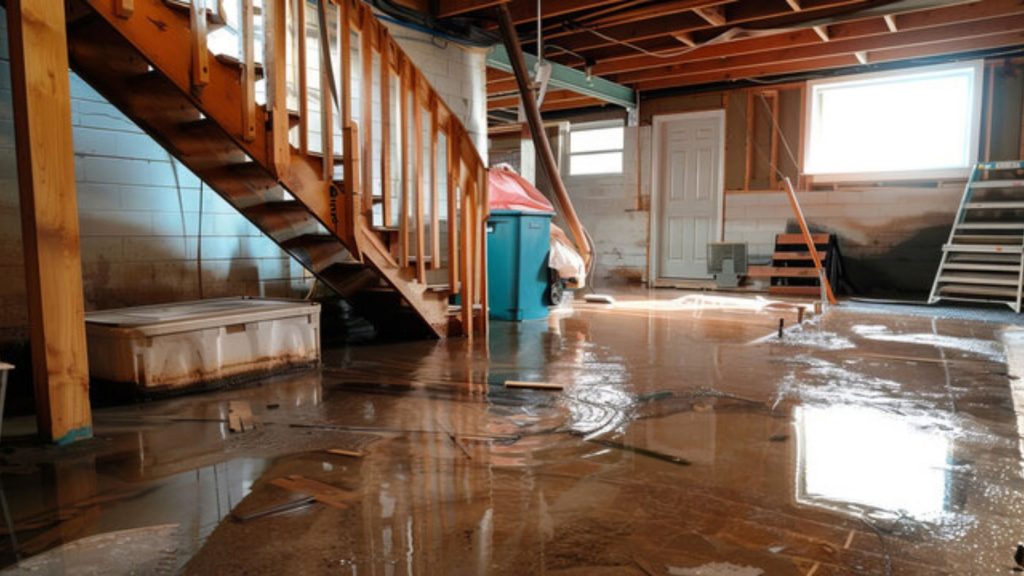
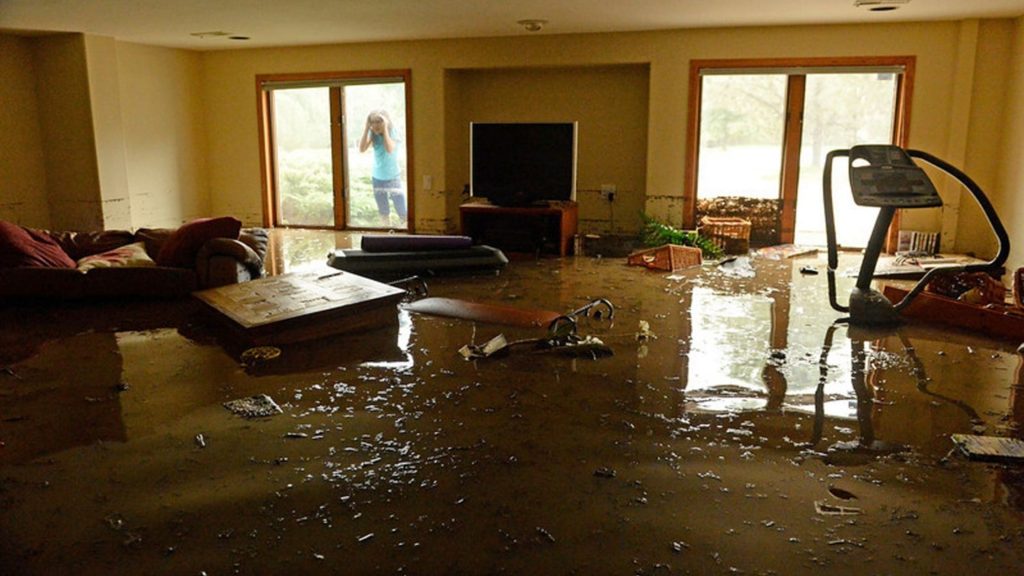
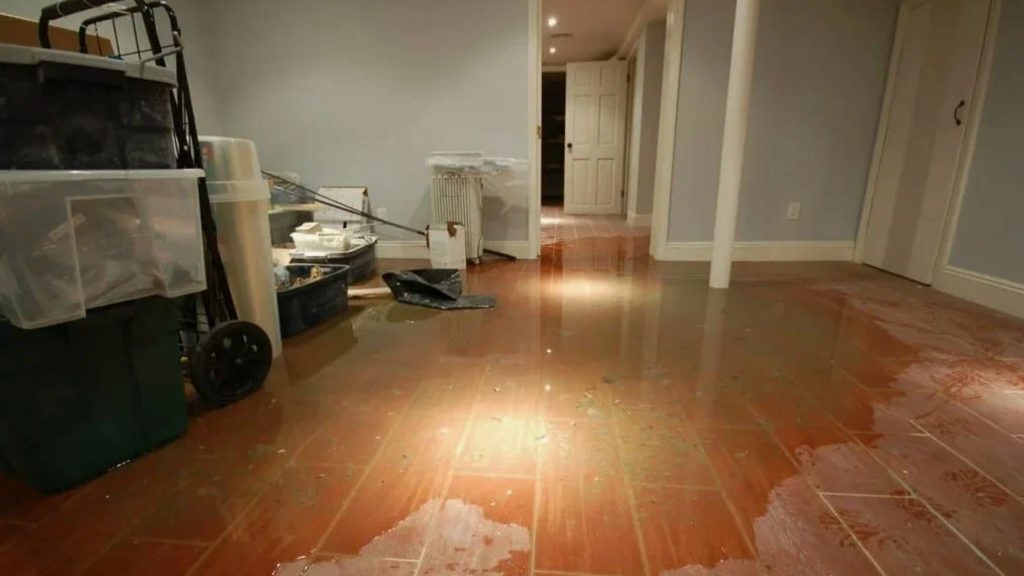
Water leaks can happen in any home and, if not handled quickly, can lead to mold growth. Mold thrives in moist environments, so after a leak, it is crucial to act fast to dry everything up. Ignoring even a small leak can allow mold to take hold, which can cause damage to your home and affect the air quality you and your family breathe.
One of the first steps in preventing mold is to tackle any moisture left behind after a leak. This means using fans and dehumidifiers to dry the area thoroughly. Even after drying, it’s important to stay alert for any signs of recurring leaks or mold, so regular inspections are valuable. Identifying problem spots early can save a lot of time and hassle later on.
By incorporating some simple preventive measures, such as improving ventilation and using mold-resistant materials, you can make a big difference. Keeping a keen eye on moisture levels and practicing good habits will help keep your home safer and healthier, making it a more pleasant place for everyone.
Immediate Actions to Tackle Moisture
When faced with a water leak, quick action is essential to prevent mold from taking hold. Mold grows fast, sometimes in as little as 24 to 48 hours after a leak. That’s why drying out the wet area rapidly is critical. Start by removing any standing water as soon as you spot it, using mops, towels, or even a wet/dry vacuum.
Next, focus on drying the area thoroughly. Using the right tools can make a big difference. Fans are great for blowing air across damp surfaces and speeding up evaporation. Place them strategically around the room, aiming the airflow towards walls or carpets that need drying. Dehumidifiers are equally important, as they pull moisture from the air, reducing humidity levels and minimizing the chance for mold to grow. Opening windows, if weather permits, can also help by allowing fresh air to circulate, aiding in the drying process.
Don’t overlook hidden moisture, which can be just as problematic. Moisture meters can help check for dampness in areas like under carpets or behind baseboards. Feel the walls, floors, and ceiling for any dampness, as these can hide water that may lead to mold. Pay special attention to places where water can seep in, like low corners or cracks. By checking these spots after a leak, you can catch lingering moisture before it becomes a bigger issue.
Regular Monitoring and Inspection Strategies
Keeping an eye on leak-prone areas is a practical way to prevent mold in the long run. Once repairs are completed, routine inspections can help ensure that there are no recurring issues. Scheduled checks, perhaps weekly at first, can spot leaks before they wreak havoc again. Pay extra attention to recently repaired areas, as they may be more susceptible to new leaks.
Create a checklist to streamline these inspections. Include items such as:
– Pipes under sinks and basements for drips
– Ceilings for water stains
– Bathrooms and window edges for condensation
– Around and behind appliances like dishwashers and washing machines
Spotting early signs of mold is crucial, and knowing what to look for can stop its spread. Watch out for discoloration, as mold can cause black, green, or white streaks in spots it invades. Keep your nose alert for musty odors, a telltale sign of mold that’s often hidden. These smells can help direct you to problem areas that aren’t immediately visible.
Using these proactive steps, homeowners can address potential mold threats before they become a significant problem, ensuring a healthier home environment. Regular checks and mindfulness about mold’s warning signs can prevent minor issues from escalating, saving time and effort in mold remediation.
Mold-Prevention Techniques for Vulnerable Areas
To safeguard your home from mold after dealing with a leak, consider employing mold-resistant materials during repairs or renovations. These materials can significantly reduce the chances of mold taking root. Opt for mold-resistant drywall and insulation, which are designed to withstand dampness longer than standard materials. These options help prevent mold from growing behind your walls, where it can go unnoticed until it causes major problems.
Apply waterproof paint or sealants in areas prone to moisture, like bathrooms and kitchens. These products provide an extra barrier against water penetration, helping to keep surfaces dry. When painting or sealing, ensure all surfaces are properly prepared and dry to maintain their protective qualities. This simple step can add a significant layer of defense.
Improving home ventilation is another crucial strategy. Adequate ventilation helps control indoor humidity levels, making it harder for mold to thrive. Consider installing exhaust fans in bathrooms and kitchens to carry moisture-laden air outside. If possible, open windows to allow airflow, which can help dry out any dampness.
Regular maintenance of heating and cooling systems can also aid in air circulation. Have these systems checked annually to ensure they function effectively, preventing any moisture buildup that could lead to mold formation.
Developing Long-Term Mold Management Habits
Establishing daily routines that discourage mold growth can make a big difference over time. Start with simple habits like wiping down wet surfaces after use, such as countertops and shower walls. This practice minimizes water that mold needs to grow. Keeping gutters and downspouts clean and free of debris ensures rainwater doesn’t accumulate around your home’s foundation, another common cause of moisture issues.
Investing in a leak detection system can provide peace of mind. These systems alert you to leaks early on, preventing small drips from escalating into larger problems. Regularly inspect common trouble spots like attics and basements for signs of dampness and take steps to address any issues immediately.
Homes with a history of leaks or persistent humidity should consider professional assessments. Experts can identify hidden problems and suggest additional preventive measures specific to your situation. These assessments help ensure that no unexpected mold issues arise.
By adopting these everyday practices, you can create an environment that’s resistant to mold, keeping your home healthier for your family.
Conclusion
Preventing mold after a leak involves more than just fixing the initial problem. It requires ongoing attention and proactive measures. By understanding the importance of immediate drying actions and regular inspections, you can catch issues early before they escalate. Implementing strategies like using mold-resistant materials and improving ventilation further protects your home from future mold growth.
Establishing long-term habits that focus on moisture control can significantly reduce the risk of mold. It ensures your home remains a safe and comfortable space for your family. With these strategies in place, you can rest assured that you’re doing everything possible to maintain a mold-free environment.
Dealing with mold prevention can feel overwhelming at times, but you don’t have to tackle it alone. At Spotless Miracle, we specialize in comprehensive mold remediation and water damage solutions. Reach out to our team of experts who are ready to help ensure your home stays dry, healthy, and mold-free. Contact us today to learn more about our services and how we can assist you in maintaining a spotless home.