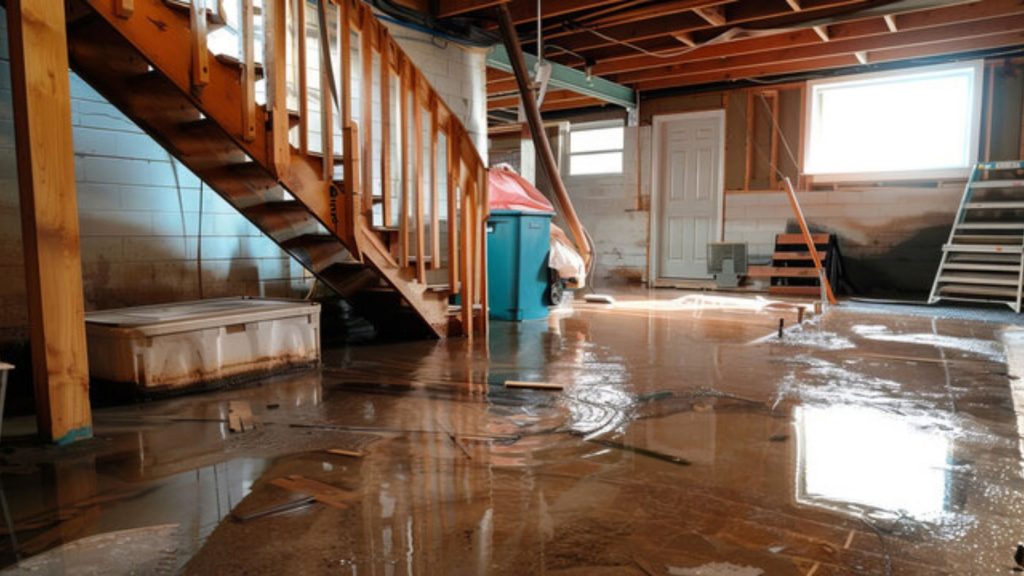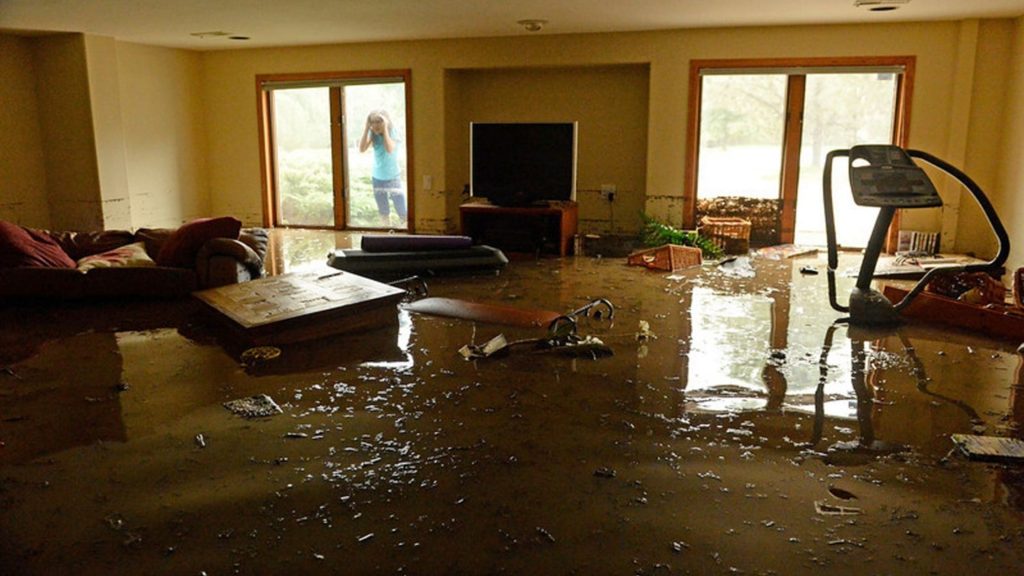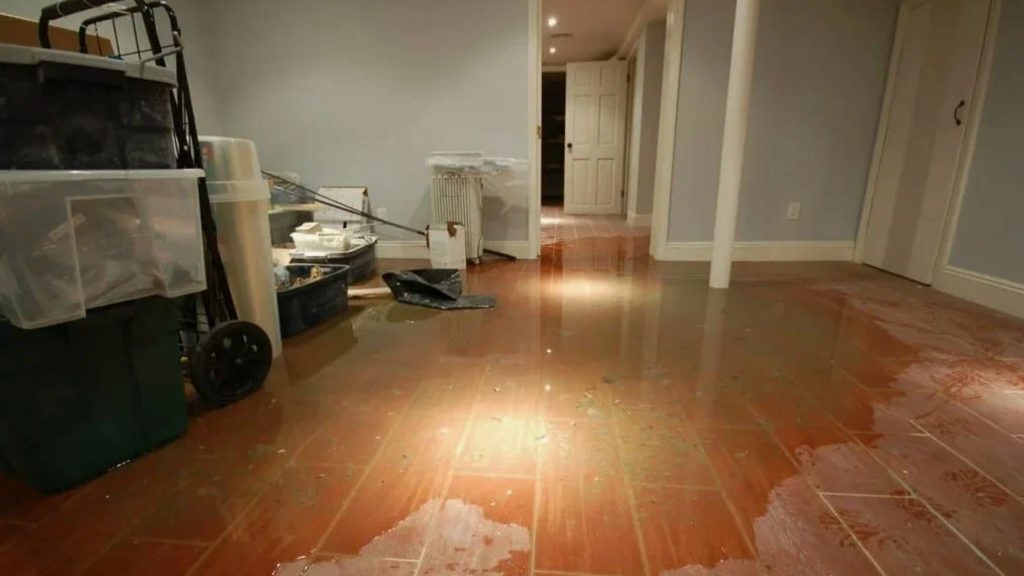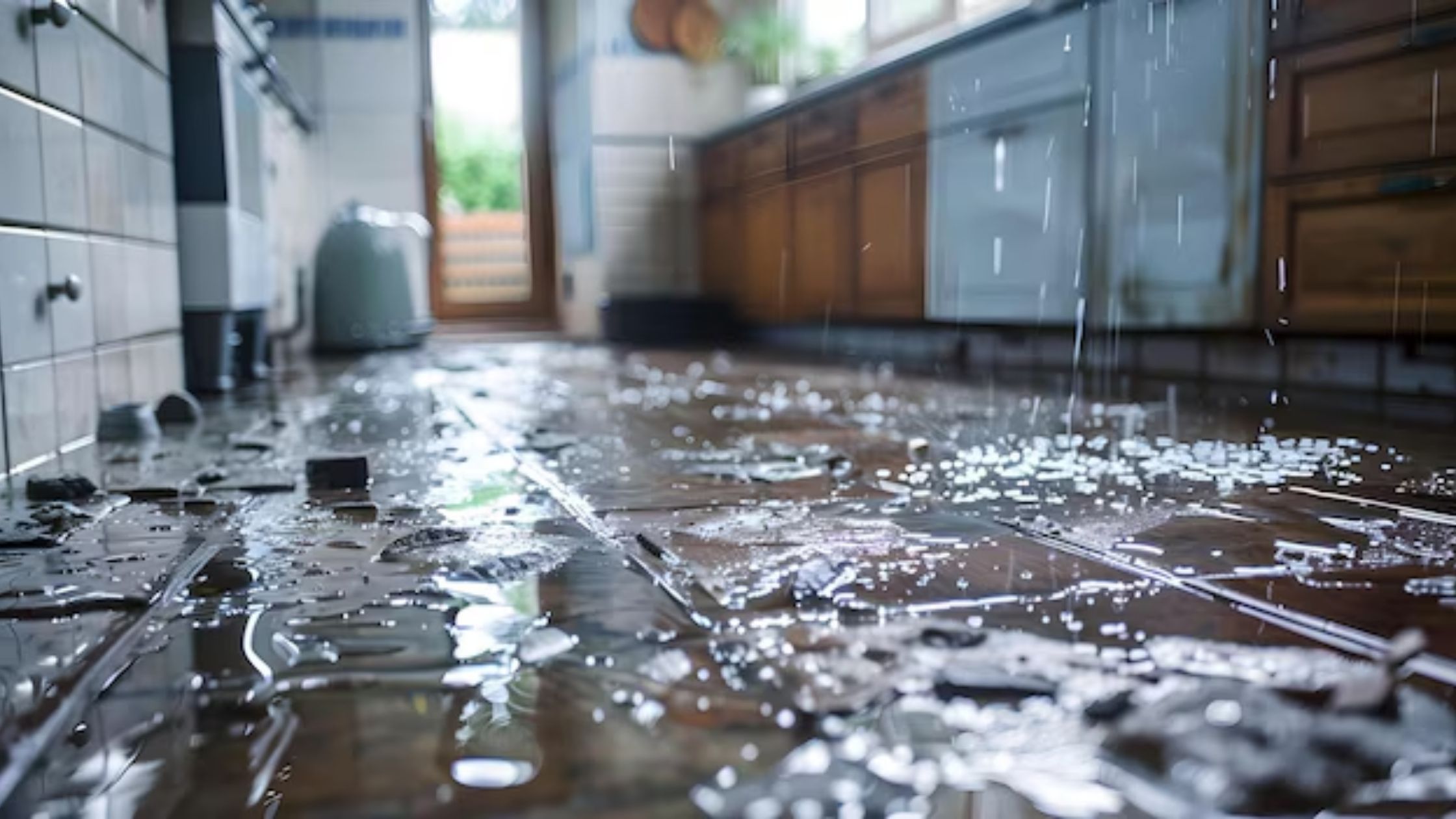
Imagine coming home after a long day at Woodward Park only to find your hallway carpet squelching under your feet and a steady drip echoing from the ceiling. In the Central Valley, homeowners often overlook the silent threats lurking behind their drywall until a catastrophe occurs, making water damage restoration fresno a critical service for preserving local property values. Whether it is a sudden structural failure or a slow, creeping leak, understanding the environmental and mechanical triggers unique to our region is the first step in protecting your investment. By identifying these issues early, you can safeguard your family’s health and avoid the overwhelming stress that comes with large-scale home remediation and repairs.
What causes the most water damage in a house?
When we look at the statistics for Fresno County, the primary culprit for residential flooding is almost always related to internal plumbing failures rather than external weather events. While we do experience seasonal downpours, the day-to-day wear and tear on aging pipes and high-use household appliances accounts for the vast majority of insurance claims in the area.
A high-quality water damage restoration fresno service is often called in for these internal disasters. When a supply line to a washing machine or dishwasher fails, it can release hundreds of gallons of water in a matter of hours. Because many Fresno homes feature open-concept layouts or multi-story designs, this water quickly migrates through floorboards and into the subflooring or the unit below. This internal flooding is particularly dangerous because the water is often clean at first but can quickly become “gray water” as it mixes with floor contaminants, leading to rapid bacterial growth if not extracted by professionals immediately.
Burst Pipes and Corroded Plumbing
The San Joaquin Valley experiences significant temperature fluctuations that can put immense pressure on your home’s infrastructure. While we don’t face the deep freezes of the Midwest, our overnight winter lows can occasionally dip enough to cause a burst pipe risk in Fresno, especially in older neighborhoods where insulation might be lacking in crawl spaces. Even without a total freeze, the expansion and contraction of metal pipes over decades lead to pinhole leaks that can saturate insulation and timber before you ever see a wet spot on the wall.
Corrosion is another major factor, as older galvanized steel pipes eventually rust from the inside out. This rust restricts water flow and creates weak points that are prone to sudden failure. If you notice a drop in water pressure or a slight discoloration in your tap water, it may be a sign that your plumbing is reaching its breaking point. Ignoring these subtle warnings can lead to a massive failure that requires extensive structural drying and professional intervention to prevent permanent rot.
Appliance Malfunctions and Hose Failures
Modern convenience comes with a hidden risk: every appliance connected to a water line is a potential flood source. Refrigerators with ice makers, front-loading washing machines, and built-in dishwashers are the most common offenders in Fresno kitchens and laundry rooms. Often, it isn’t the appliance itself that fails, but the inexpensive rubber or plastic hose connecting it to the wall.
These hoses can become brittle over time or crack due to the vibration of the machine during operation. When they fail, the resulting mess often requires the expertise of a water damage restoration fresno team to ensure that moisture hasn’t seeped under cabinetry where mold can thrive in the dark. Upgrading to braided stainless steel hoses is a simple preventative measure, but if a leak has already occurred, the priority shifts to professional dehumidification to save your expensive flooring and custom cabinetry.
Roof Leaks and Clogged Gutters
While Fresno is known for its dry summers, our winter “Atmospheric River” storms can be brutal on roofing systems. Missing shingles, cracked flashing around chimneys, or degraded seals around roof vents allow rainwater to enter the attic. From there, gravity pulls the moisture down into your ceiling joists and wall cavities.
Clogged gutters exacerbate this problem by causing water to back up under the roofline, a phenomenon known as “wicking.” When gutters are filled with debris from local oak or eucalyptus trees, the water cannot flow away from the house. Instead, it pools against the fascia board and eventually finds its way into the soffits or down into the foundation. This creates a significant flood damage Fresno issues scenario where the water isn’t just on the roof, but potentially flooding your basement or crawl space due to poor drainage.
| Cause of Damage | Warning Signs | Preventative Action |
| Plumbing Leaks | High water bills, musty odors, damp drywall | Annual plumbing inspections |
| Appliance Failure | Puddles under machines, slow draining | Replace hoses every 5 years |
| Roofing Issues | Water stains on ceiling, missing shingles | Clean gutters twice a year |
| HVAC Drainage | Water in the secondary drip pan | Clear condensate lines monthly |
| Sewer Backup | Multiple clogged drains, gurgling toilets | Avoid flushing non-flushables |
HVAC Condensation and Drainage Problems
In the sweltering heat of a Fresno summer, your air conditioning unit works overtime. As the system cools the air, it pulls moisture out of the environment, which is supposed to exit through a condensate drain line. However, these lines can become clogged with algae, dust, or debris, causing the water to overflow the internal drain pan.
If your HVAC unit is located in the attic or a closet, this overflow can quickly lead to ceiling collapses or ruined flooring. Keeping the area around your unit clean and checking the secondary drain pan for standing water can prevent these “hidden” floods. Because these leaks often happen slowly over the course of several hot weeks, they are a primary cause of secondary mold infestations that require specialized remediation techniques.
Sewage Backups and Clogged Drains
A sewage backup is perhaps the most distressing form of water damage a homeowner can face. This involves “black water,” which is highly contaminated with pathogens and bacteria. In Fresno, this can occur due to city sewer line blockages, heavy storm runoff overwhelming the system, or even invasive tree roots seeking moisture and cracking your main sewer line.
When this happens, you should never attempt to clean the mess yourself without proper biohazard gear. Professional teams utilize industrial-grade antimicrobial treatments to ensure that your home is safe for habitation after the water is gone. For those looking to protect their property from future incidents, visiting our contact-us page can help you schedule a consultation for preventative measures like backwater valves.
Structural Seepage and Foundation Issues
The soil in Fresno can be expansive, shifting with the seasons and putting pressure on your home’s foundation. Over time, small cracks can develop in the concrete slab or crawl space walls. During periods of heavy rain, groundwater can seep through these cracks, leading to a damp environment that invites pests and wood-destroying organisms.
If you have a basement or a finished crawl space, this seepage can ruin carpeting and drywall from the ground up. Addressing the grading of your yard—ensuring that the ground slopes away from the foundation—is the best way to mitigate this risk. If you already see white, powdery “efflorescence” on your concrete walls, it is a sign that moisture is moving through the material and needs to be addressed before structural integrity is compromised.
The Dangers of “Hidden” Water Damage
Not all water damage is as obvious as a flooded living room. Some of the most expensive repairs stem from slow leaks that occur behind tiles or inside wall cavities for months. This is often seen in bathrooms where the caulking around a tub has failed or a shower pan has developed a small crack.
By the time you see a soft spot on the floor or a stain on the wall, the wood framing inside may already be rotting. This is why professional moisture detection tools, such as thermal imaging cameras and hygrometers, are so important. They allow technicians to “see” through walls and identify the exact boundaries of the moisture, ensuring that no hidden pockets are left behind to grow mold or weaken the home’s structure.
Conclusion: Trust the Experts at Spotless Miracle
Dealing with water intrusion is a race against time. Within just 24 to 48 hours, mold spores can begin to colonize damp surfaces, and structural materials like particle board or drywall can begin to lose their integrity. If you are currently facing an emergency, reaching out to a professional water damage restoration fresno team is the only way to ensure your home is returned to a pre-loss condition effectively and safely. At Spotless Miracle, we specialize in rapid response and comprehensive drying solutions tailored to the specific needs of Fresno residents. Don’t let a small leak turn into a total loss; let our experienced technicians handle the heavy lifting while you focus on getting your life back to normal.
Frequently Asked Questions (FAQs)
How long does the water damage restoration process usually take?
In most Fresno homes, the drying process takes between 3 to 5 days, depending on the materials involved. However, the full restoration, including repairs to drywall and flooring, can take an additional week or two depending on the extent of the damage.
Does homeowners insurance cover all types of water damage?
Typically, insurance covers “sudden and accidental” water damage, such as a burst pipe or an appliance failure. It often does not cover damage caused by lack of maintenance (like a roof that hasn’t been repaired in 20 years) or external flooding unless you have a separate flood insurance policy.
Can I stay in my home during the restoration process?
This depends on the severity and the “category” of the water. If the damage is limited to one room and the water is clean, you can usually stay. However, if there is a sewage backup or if the drying equipment makes the home too loud or hot, you may need to relocate temporarily.
How can I tell if there is mold behind my walls after a leak?
Common signs include a persistent musty odor, unexplained respiratory issues or allergies when inside the home, and visible discoloration on the drywall. Professionals use moisture meters to confirm if the interior of the wall is still damp.
What is the difference between water mitigation and water restoration?
Mitigation is the immediate phase where we stop the leak, extract the water, and start the drying process to prevent further damage. Restoration is the final phase where we repair or replace damaged materials like carpeting, padding, and drywall to make the home look new again.