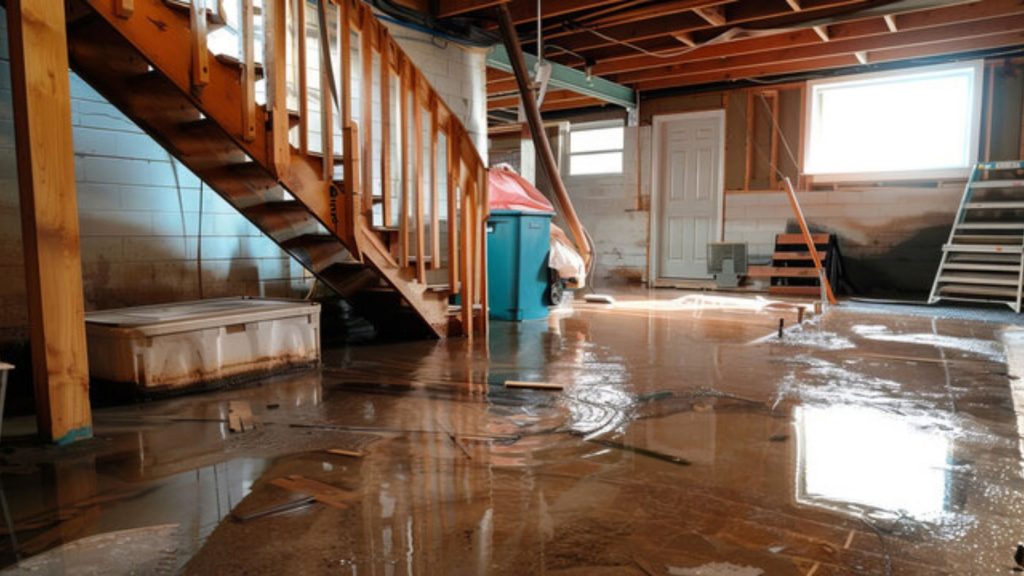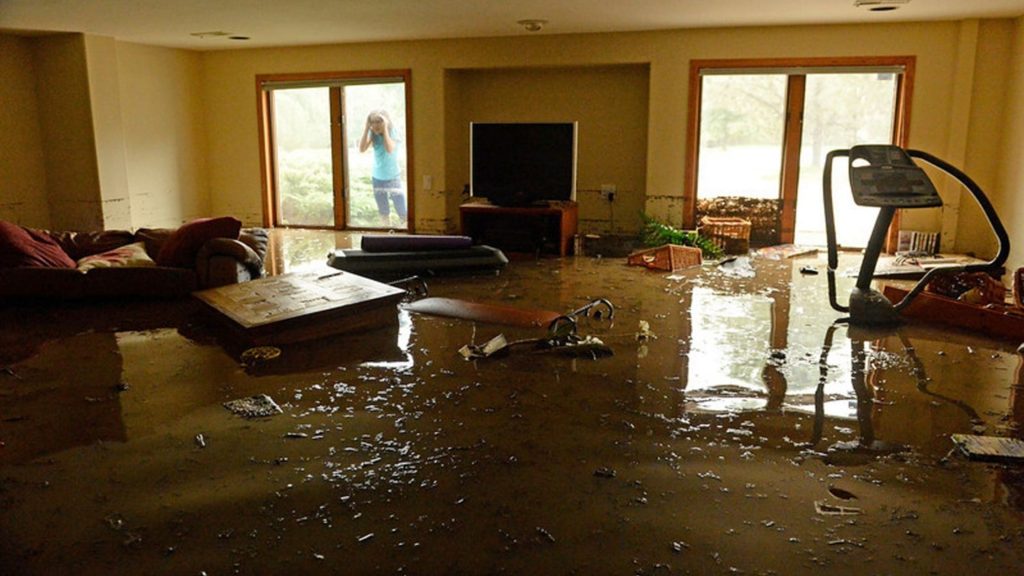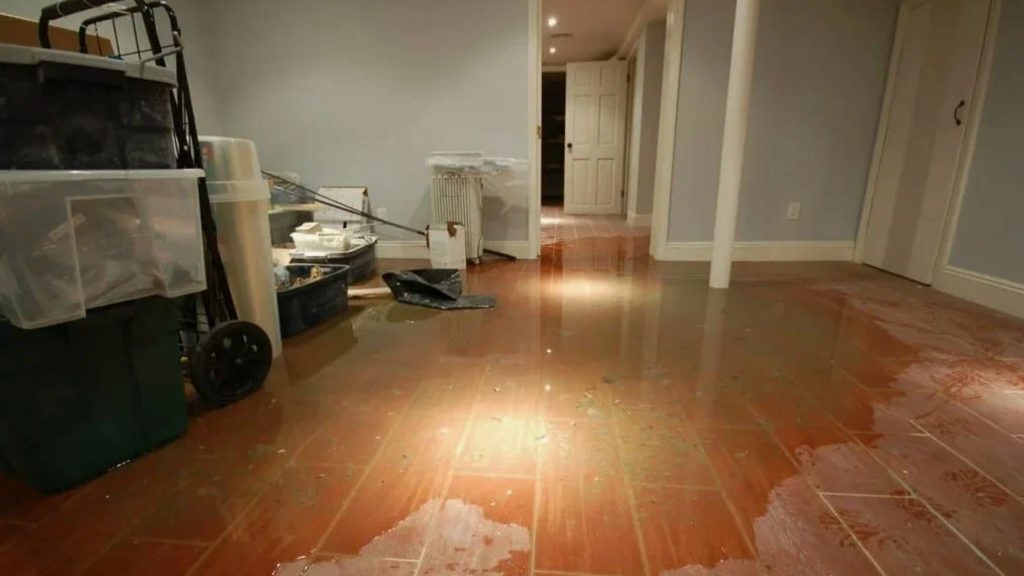
Walking into a room and smelling that unmistakable, earthy scent of dampness is the first warning sign that your home’s environment is changing for the worse. In the San Joaquin Valley, many residents overlook a small ceiling stain or a damp corner in the basement, but ignoring these issues is a gamble with your family’s well-being. The reality is that water damage restoration fresno is not just a cosmetic fix; it is a critical health intervention because moisture trapped in our local building materials acts as a high-speed incubator for pathogens. In our climate, where high summer temperatures meet indoor humidity, the transition from a “leak” to a “health hazard” happens in a matter of hours. By understanding the invisible biological threats lurking behind your drywall, you can take the necessary steps to secure a healthy living space before minor moisture leads to chronic medical conditions.
What happens if water damage is left untreated?
When water is allowed to sit, it undergoes a rapid transformation that professionals categorize by its level of contamination. Within the first twenty-four to forty-eight hours, stagnant water becomes a breeding ground for bacteria, viruses, and fungi that can compromise the indoor air risk after flooding. Untreated moisture eventually seeps into porous materials like insulation and wood framing, leading to structural instability that can result in physical injuries from collapsing materials. Furthermore, the high mineral content in Fresno’s water supply can leave behind deposits that further degrade air quality as they dry and become airborne.
The most immediate and visible threat is the biological growth that feeds on wet organic matter. This growth releases volatile organic compounds (VOCs) and microscopic spores that circulate through your HVAC system, ensuring that a problem in the laundry room eventually affects the air quality in the bedrooms. Without professional intervention, these contaminants become deeply embedded in the home’s infrastructure, making simple surface cleaning ineffective and potentially dangerous.
The Critical Threat of Mold and Fungal Growth
Mold is perhaps the most notorious consequence of moisture intrusion, and for good reason. In the Central Valley, certain species like Stachybotrys chartarum, commonly known as black mold, can thrive in the dark, damp cavities of a flooded home. These fungi produce mycotoxins that can lead to severe mold health effects in Fresno, ranging from chronic fatigue and persistent headaches to more serious neurological issues. Because Fresno homes often deal with significant temperature fluctuations, the condensation inside walls provides the perfect “greenhouse” environment for these spores to multiply.
It is a common misconception that mold is only a problem if you can see it. In reality, the most dangerous mold colonies are often hidden behind wallpaper, under floorboards, or deep within the insulation. By the time a visible patch appears on your wall, the spore concentration in your indoor air may already be at hazardous levels. This invisible infestation is why professional moisture mapping is a non-negotiable part of any restoration effort.
Respiratory Complications and Asthma Triggers
For individuals with pre-existing conditions, the air inside a water-damaged home can be a constant source of irritation. The increased humidity and airborne spores act as powerful triggers for asthma attacks and allergic rhinitis. Children and the elderly are particularly vulnerable, as their immune systems may struggle to filter out the high volume of particulates found in damp environments. Symptoms often start subtly with a persistent cough or itchy eyes but can quickly escalate into bronchial infections.
The long-term exposure to these irritants can lead to the development of new allergies in previously healthy individuals. The constant inflammation of the respiratory tract caused by dampness can reduce lung function over time. This is why addressing the root cause of the moisture is essential; until the home is scientifically dried, no amount of medication will fully resolve the symptoms caused by the compromised environment.
Bacterial Pathogens and Waterborne Diseases
Not all water damage is created equal, and the source of the water significantly dictates the health dangers of water damage. If the intrusion involves “black water” from a sewage backup or “gray water” from a washing machine failure, the risk of bacterial infection is extreme. Pathogens such as E. coli, Salmonella, and even Hepatitis can survive in damp carpets and drywall for extended periods. Simple contact with these surfaces or the accidental ingestion of microscopic particles can lead to severe gastrointestinal distress and skin infections.
During the summer months in Fresno, stagnant water can also attract pests like mosquitoes and rodents, which bring their own set of diseases. These pests are drawn to the moisture and the softened building materials, creating a secondary layer of health risks. A comprehensive restoration plan must include professional-grade sanitization using EPA-registered antimicrobials to ensure that these invisible killers are completely neutralized.
The Hidden Impact on Mental Well-being
Dealing with a flooded home is an inherently traumatic experience that can lead to significant psychological stress. The constant worry about the safety of one’s family, combined with the financial burden of repairs, often results in anxiety and sleep disturbances. Many homeowners report a sense of “home sickness,” where their sanctuary no longer feels safe or clean. This mental toll is a direct byproduct of untreated damage and the feeling of losing control over one’s environment.
The lingering musty odors associated with dampness serve as a constant sensory reminder of the disaster, preventing residents from emotionally moving past the event. Restoring a home is as much about restoring peace of mind as it is about fixing the walls. By engaging a professional team, homeowners can offload the technical burden and focus on their emotional recovery, knowing that the health of their environment is being handled by experts.
Vulnerable Populations and Long-term Exposure
While everyone is at risk in a damp home, certain groups face much steeper consequences. Infants and young children, whose lungs are still developing, can suffer permanent respiratory damage from early-life exposure to mold and dampness. Similarly, those undergoing chemotherapy or living with autoimmune disorders have a reduced capacity to fight off the fungal and bacterial infections that flourish in water-damaged buildings.
| Risk Factor | Potential Health Outcome | Why it Happens |
| Mold Spores | Chronic Bronchitis / Asthma | Fungal spores irritate the lining of the lungs |
| Mycotoxins | Neurological Issues / Fatigue | Toxic byproducts of specific mold species |
| Bacteria (Category 3) | Gastrointestinal Illness | Ingestion or contact with contaminated sewage water |
| High Humidity | Dust Mite Proliferation | Moisture allows dust mites to thrive and trigger allergies |
| Structural Decay | Physical Injury | Weakened floors and ceilings can collapse |
The Role of Professional Decontamination
Attempting to clean up major water damage with a mop and a bucket is often worse than doing nothing at all. Household cleaners are rarely strong enough to penetrate the porous materials where bacteria and mold hide, and “airing out” a room without industrial dehumidification often just spreads the spores more effectively. Professional restoration involves a multi-stage process of extraction, evaporation, and sanitization that is verified by moisture-detection technology.
If you are unsure of where to turn after a leak, our contact-us page can connect you with specialists who understand the urgency of biological decontamination. Professional teams use air scrubbers with HEPA filtration to pull contaminants out of the air while the drying process is underway. This ensures that the air you breathe remains safe even as the structural elements of your home are being treated.
Preventing Secondary Damage through Rapid Response
The window for preventing a health crisis is incredibly small. Within forty-eight hours, the “primary” damage of wet carpets becomes “secondary” damage in the form of mold colonies and warped structural members. In Fresno’s heat, this process is accelerated. Rapid response is the only way to “stop the clock” on biological growth. Every hour that passes without industrial-grade drying increases the likelihood that your home will require extensive and expensive remediation.
When a team arrives quickly, they can often save materials like drywall and hardwood that would otherwise have to be discarded if they sat wet for too long. This not only saves money but also prevents the massive release of dust and spores that occurs during demolition. Saving the original materials is always the healthiest and most cost-effective path to recovery.
Conclusion: Protecting Your Fresno Home and Health
Your home should be a place of refuge, not a source of illness. The risks associated with untreated water damage are too significant to ignore, especially when professional help is available. By acting quickly and prioritizing the biological safety of your environment, you can protect your family from the long-term consequences of mold and bacteria. At Spotless Miracle, we specialize in identifying the hidden threats that follow a flood and using advanced technology to eliminate them at the source. We are dedicated to providing the residents of the Central Valley with a safe, dry, and healthy environment through our expert water damage restoration fresno services. Trust Spotless Miracle to turn your home back into the healthy sanctuary it was meant to be.
Frequently Asked Questions (FAQs)
Can I stay in my home while water damage is being fixed?
It depends on the scale and the category of the water. If the damage is localized to one room and the air quality is monitored, staying may be possible. However, if there is “black water” contamination or widespread mold, it is often safer to relocate until the sanitization phase is complete.
How long does it take for mold to start growing in Fresno?
In our local climate, mold can begin to colonize in as little as 24 to 48 hours. The high daytime temperatures in Fresno can actually speed up the metabolic rate of certain fungi if moisture is present.
Will a dehumidifier from a hardware store be enough?
Standard home dehumidifiers are designed for comfort, not restoration. They lack the “grain-removing” capacity of industrial LGR dehumidifiers, which are necessary to pull moisture out of deep structural materials like wall studs and subfloors.
Does insurance usually cover the health-related cleanup?
Most standard homeowners’ insurance policies cover the “reasonable and necessary” costs to return a home to its pre-loss condition, which includes professional drying and sanitization to prevent health risks, provided the claim is filed promptly.
How can I tell if my air quality is already compromised?
Common signs include a persistent musty smell, an uptick in allergy symptoms among family members, or visible spotting on walls and ceilings. A professional moisture and air quality assessment is the only way to be certain.