Winter rains can be relentless, turning small leaks into big problems in no time. When the rain pours, it’s important to keep an eye out for potential water damage. It can sneak up on you, causing problems around your home before you even notice. Everyday areas like basements, roofs, and window seals are vulnerable to moisture invasion.
Recognizing water damage early is key. You might spot damp walls, stains on the ceiling, or smell something musty in the air. These are warnings that water might be getting in where it shouldn’t. Acting quickly can help prevent lasting damage to your home.
Knowing what to do when water damage strikes is crucial, along with understanding how to keep it at bay for the future. With a bit of knowledge and preparation, you can keep your home safe and dry throughout the stormy season.
Understanding the Causes and Signs of Water Damage
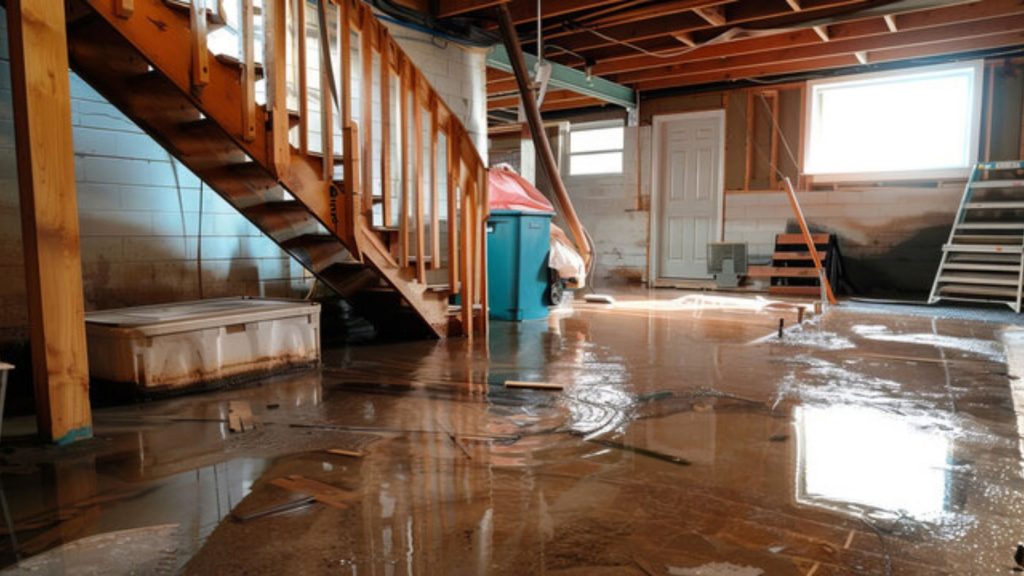
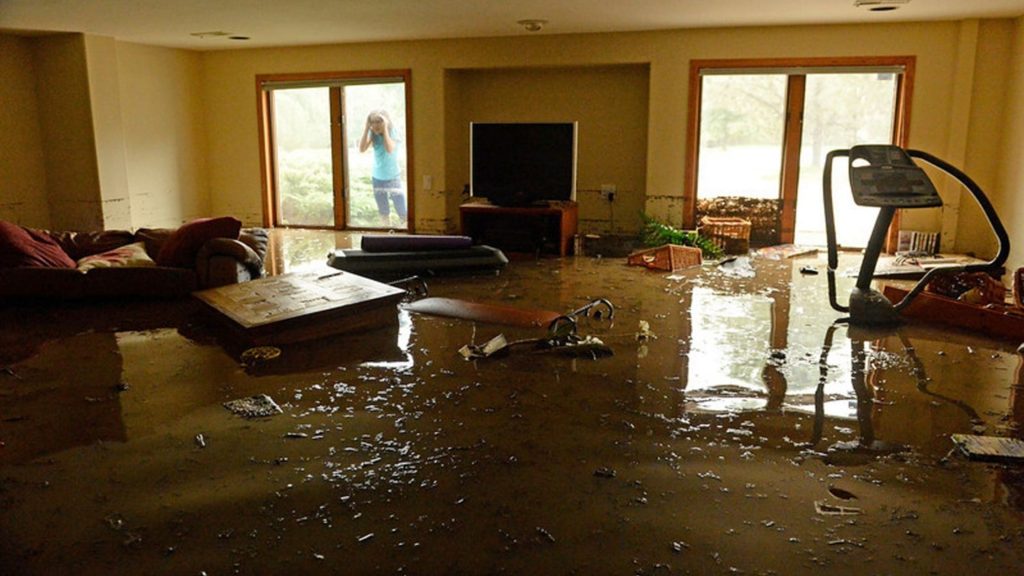
Winter rains bring heavy downpours that can cause water to seep into homes in unexpected ways. When the rain falls hard, the ground becomes saturated, and water may find its way through tiny cracks or weak spots. Your roof takes a beating from constant rainfall, and if shingles are missing or damaged, water can leak inside. Basements are also at risk since water tends to pool around the foundation, creating pressure that forces water into the house. Without proper drainage and waterproofing, homes can quickly fall victim to water damage.
Recognizing water damage early is crucial to preventing bigger issues. Look for these common signs:
1. Damp Walls: Walls that feel damp to the touch or have peeling paint and wallpaper are signs water may be getting in.
2. Ceiling Stains: Brown or yellow stains on ceilings often indicate roof leaks or pipe issues above.
3. Musty Odors: A musty smell in your home is a classic sign of moisture and possible mold growth.
Certain areas of the home are more prone to water damage, so pay special attention to them. Basements, being below ground, are common sites for water issues. Roofs can develop leaks, especially when shingles or flashing are damaged. Window seals may crack or loosen over time, allowing water to sneak inside. Regular checks of these areas help catch problems before they get worse, keeping your home safe and dry during winter rains.
Immediate Steps to Take When You Discover Water Damage
When you find water damage, taking quick action helps prevent further issues. Here’s a simple guide to get you started:
1. Stop the Water Source: If possible, identify where the water is coming from. If it’s a burst pipe, turn off the water supply immediately.
2. Ensure Safety: Water and electricity don’t mix. Turn off electricity in affected areas to prevent shocks or fires.
3. Document the Damage: Take photos of the damage before you start any cleanup. These will be useful for insurance claims.
Next, work on drying everything out to keep damage to a minimum:
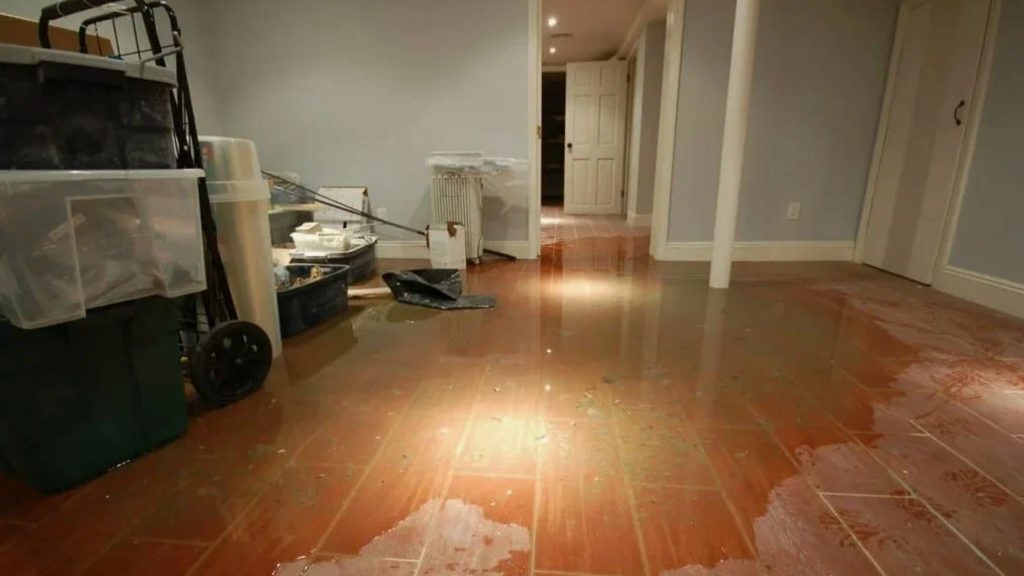
1. Remove Standing Water: Use buckets, mops, or a wet-dry vacuum to remove as much water as you can.
2. Dry the Area: Open windows and use fans to help dry wet areas. Dehumidifiers can help remove moisture from the air, speeding up the drying process.
3. Discard Damaged Items: If items like carpeting or drywall are soaked and unsalvageable, remove them right away to prevent mold growth.
While handling water damage on your own can seem daunting, these steps help make the process manageable. Quick action helps protect your home and belongings from further damage, giving you peace of mind even in the face of a winter storm.
Long-Term Solutions to Prevent Future Water Damage
Keeping water damage at bay requires some planning and regular upkeep around your home. Improving home drainage and waterproofing are effective ways to safeguard your house from future issues. Start by checking the grading around your home. The ground should slope away from the foundation to direct water away. If this isn’t the case, you may need to regrade the soil or install drainage systems like French drains.
Another important step is maintaining your roof and gutters. Regular inspections help catch any loose or missing shingles that could lead to leaks. Clean gutters are crucial, too, as they direct rainwater away from your roof and foundation. Clogged gutters can cause water to overflow and seep into the home.
Installing sump pumps or dehumidifiers in moisture-prone areas like basements is another proactive approach. Sump pumps can remove excess water, while dehumidifiers help control indoor humidity, preventing mold growth. Consider sealing any noticeable cracks or gaps in your home’s foundation or walls, as these can be entry points for water.
Remember, a little prevention goes a long way. By taking these long-term steps, you can reduce the risk of water damage and keep your home dry and safe, no matter how hard it rains.
Knowing When to Call in Professional Help
Sometimes, the damage from winter rains can be too great to handle on your own. Knowing when to call in professional help is essential to avoid further harm to your home. If you find extensive water damage, such as large areas of soaked carpeting, walls, or ceilings, or if mold begins to appear, it’s time to reach out for expert assistance.
Professional services can provide thorough mold remediation, which is necessary to ensure all mold spores are eliminated and do not return. Experts also have the tools and knowledge to perform deep cleaning and water extraction that might be beyond DIY capabilities.
Aside from removal, professional carpet cleaning services can refresh your home and prevent odors or stains from setting in. Spotless Miracle can help restore your home to its former glory with our comprehensive services.
It’s essential not to wait when facing significant water damage issues, as delay can lead to structural problems or health risks. A professional assessment guarantees that all affected areas are treated properly, safeguarding your home for the future.
Conclusion
Dealing with water damage during winter rains might seem daunting, but with a solid plan and quick action, you can protect your home effectively. From recognizing early signs to handling emergencies, and focusing on long-term prevention, these steps are crucial in maintaining a safe and dry environment.
Water damage control ensures your home remains comfortable and healthy, even during heavy rains. Educating yourself on when to reach out for professional help can also save you time and stress. With proper care and attention, your home can stand resilient through any storm, keeping you and your family safe.
Reach out to Spotless Miracle today for expert water damage restoration, mold remediation, and carpet cleaning solutions tailored to your needs. Our team is ready to assist you in protecting your home from the challenges of winter rains and ensuring your space remains spotless and secure.