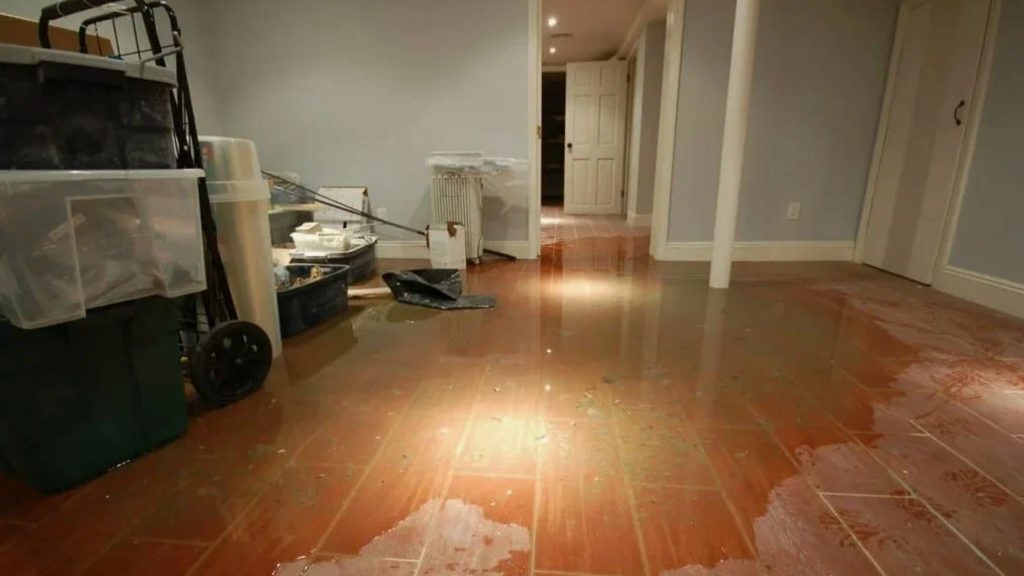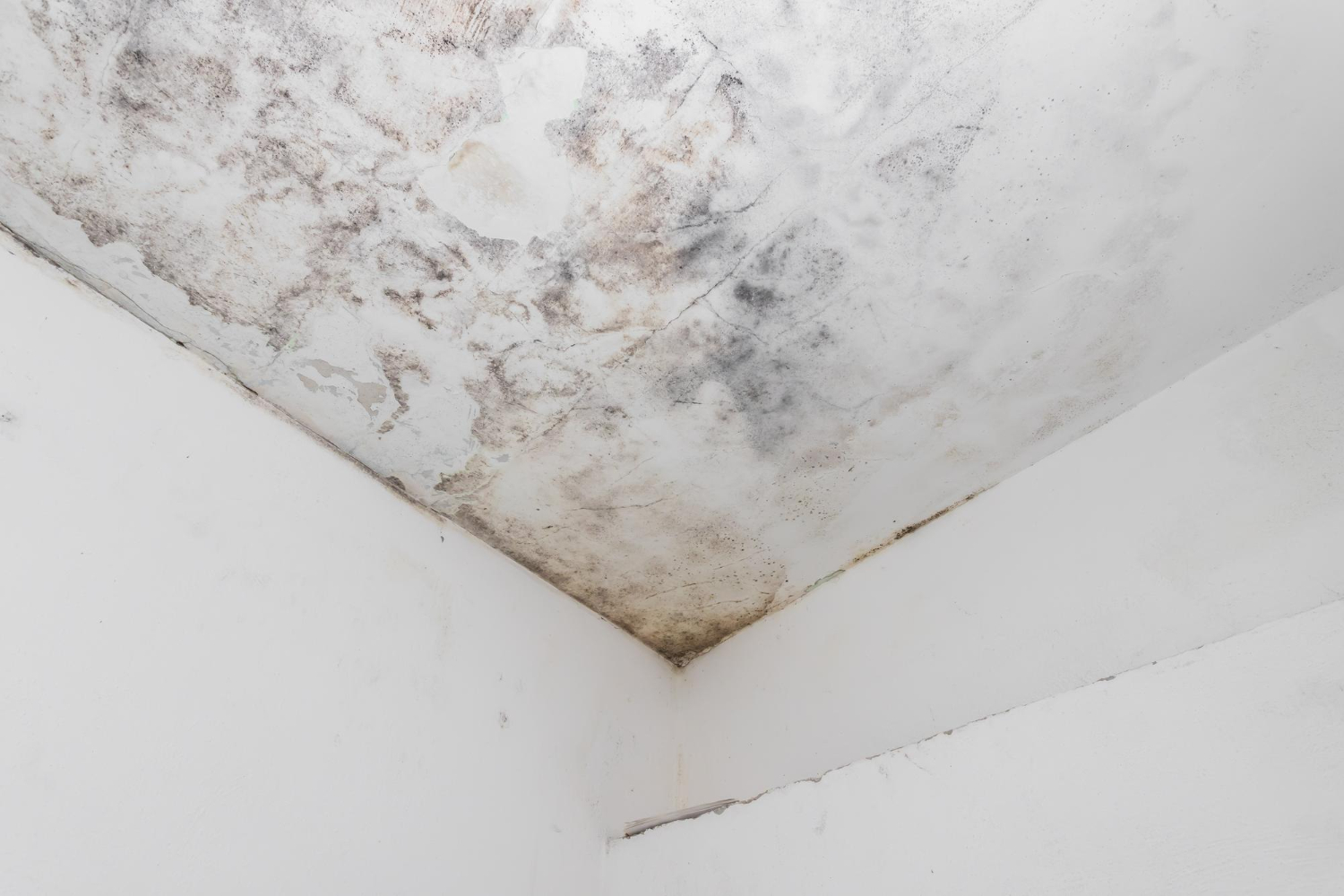
Mold in the kitchen can be a real nuisance. It often creeps in unnoticed until it becomes a bigger problem. Mold loves areas with moisture, making kitchens a favorite spot. If not dealt with, it can lead to health issues and compromise the cleanliness of your home.
Keeping mold at bay is easier than you might think with a few smart strategies. Understanding why kitchens get moldy and knowing the steps to prevent it can make a big difference. Small actions like improving airflow and fixing leaks can help keep these pesky intruders under control.
Not only do these tips help keep your kitchen mold-free, but they also create a healthier environment for your family. With the right approach, you can enjoy a clean and fresh-smelling kitchen all year round. Start paying attention to the details, and you’ll notice how easy it is to prevent mold from taking over your space.
Understanding the Causes of Mold in Kitchens
Kitchens often deal with moisture, which creates a perfect environment for mold growth. One common source is leaky faucets. Even a slow drip can lead to water pooling, fostering mold. Condensation is another culprit, especially around sinks and windows. Warm cooking conditions mixed with cool surfaces can quickly lead to damp spots.
Beyond these moisture issues, kitchens have plenty of food supplies that also attract mold. Leftovers and crumbs provide nourishment for mold spores. Humid weather or poor home ventilation can make these problems worse, allowing mold to spread more easily. Mold thrives where it’s warm and wet, which means the hustle and bustle of a kitchen makes it especially vulnerable.
Finding these problem areas early is crucial to stopping mold before it gets worse. Check under sinks, around windows, and behind appliances regularly. If you notice any leaks or damp spots, address them promptly. By focusing on these areas, you can keep your kitchen fresh and mold-free, ensuring a healthier home environment.
Maintaining Proper Ventilation
Good airflow in your kitchen can work wonders to prevent mold from taking hold. Here are some simple ways you can keep the air moving:
1. Use Exhaust Fans: Turn on exhaust fans when cooking or washing dishes. This can help remove humid air and prevent condensation.
2. Open Windows: Whenever weather permits, open windows to let fresh air in. This natural airflow can reduce indoor humidity.
3. Keep Doors Open: If appropriate, keep internal doors open during cooking to allow better circulation throughout the home.
In addition to these tips, make sure to routinely check your ventilation systems. Over time, dust and grease can clog them, reducing their effectiveness. Clean exhaust fans and vents regularly to ensure they work properly. You might also consider having an HVAC professional examine your system once a year.
By improving ventilation, you can significantly lower humidity levels in your kitchen. This reduces the chance of mold growing unchecked in damp areas. Keeping the air fresh and moving is a straightforward yet effective strategy in maintaining a mold-free kitchen environment.
Regular Cleaning Habits to Prevent Mold
A consistent cleaning routine is essential for keeping mold at bay in your kitchen. Start with the key areas where moisture builds up. Sinks and countertops should be wiped down daily. This simple step removes excess water and discourages mold growth. Don’t forget to clean under and behind appliances regularly. These hidden spots often collect crumbs and moisture, inviting mold.
When choosing cleaning products, opt for those specifically formulated to prevent mold. However, you can also make natural alternatives like a mixture of vinegar and water. This solution is effective against mold and is gentle on surfaces. Baking soda is another natural cleaner that can be used for scrubbing mold-prone areas.
Keeping kitchen surfaces dry is just as important as cleaning them. After wiping down surfaces, use a dry cloth to remove any residual moisture. For extra prevention, consider using a dehumidifier if your kitchen tends to be particularly damp. These practices help maintain a clean, fresh kitchen environment and reduce the chances of mold settling in.
Checking and Fixing Kitchen Leaks
Regularly checking for leaks is crucial in preventing mold in your kitchen. Begin by inspecting plumbing connections under the sink and around the dishwasher and refrigerator. These areas are prone to leaks which can lead to mold if not addressed. Look for signs of water damage, such as discoloration or warping.
If you find a minor leak, tackle it quickly. First, turn off the water supply to prevent further leakage. Then, dry the area thoroughly. For small leaks, applying a waterproof sealant or replacing washers may be enough. Use a wrench to tighten loose connections carefully.
However, if you encounter a more serious leak or if you’re unsure about handling the repair, it’s best to consult a professional. They can ensure the issue is resolved correctly without causing further damage.
By addressing leaks promptly and effectively, you can keep your kitchen free from unwanted moisture and mold.
Conclusion
Keeping your kitchen mold-free boils down to a few key habits. By understanding the common causes of mold and ensuring proper ventilation, you create an environment that doesn’t encourage mold to grow.
Regular cleaning with the right products and practices helps remove potential mold threats before they take hold. An ongoing vigilance over your kitchen’s plumbing will safeguard against leaks that often lead to mold problems. These combined efforts not only make for a healthier kitchen but also add to the overall wellbeing of your home.
For those times when mold becomes too much to handle or if you suspect more hidden moisture issues, Spotless Miracle is here to help. Our professional mold remediation services in Clovis offer a deep clean that tackles even the toughest mold problems.
Don’t let mold stress you out—reach out to us for quick, effective solutions to keep your kitchen and home safe and spotlessly clean.