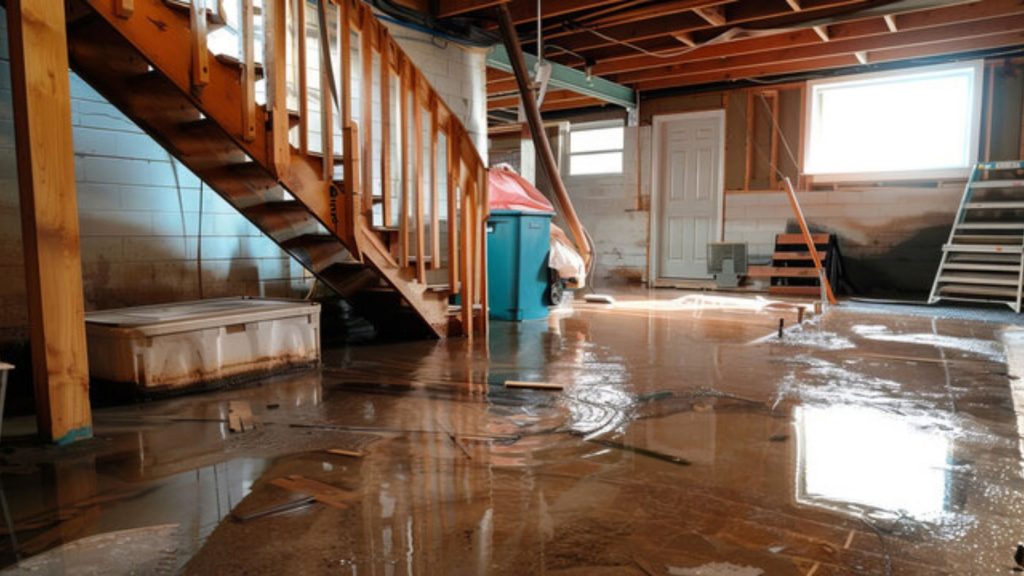
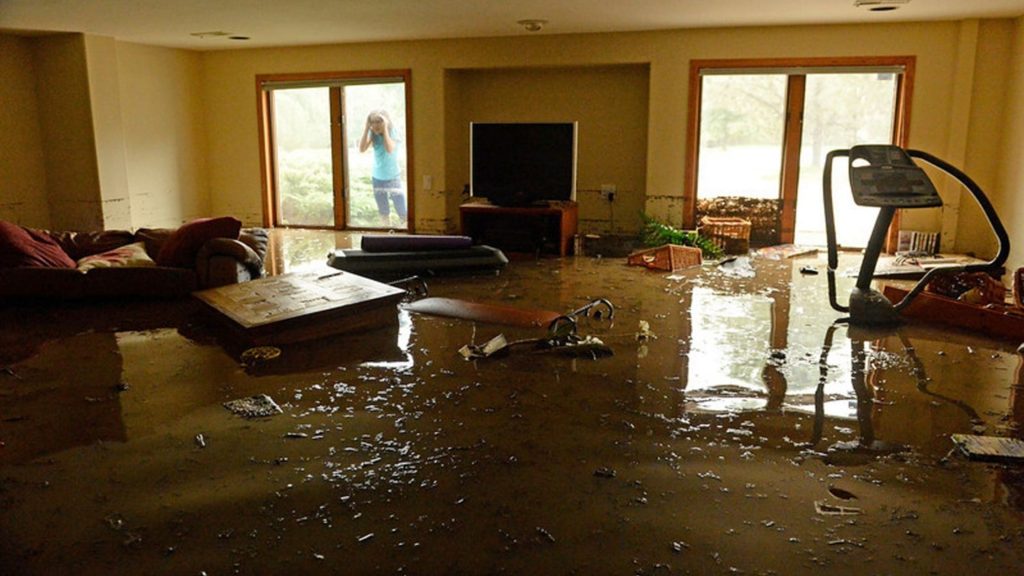
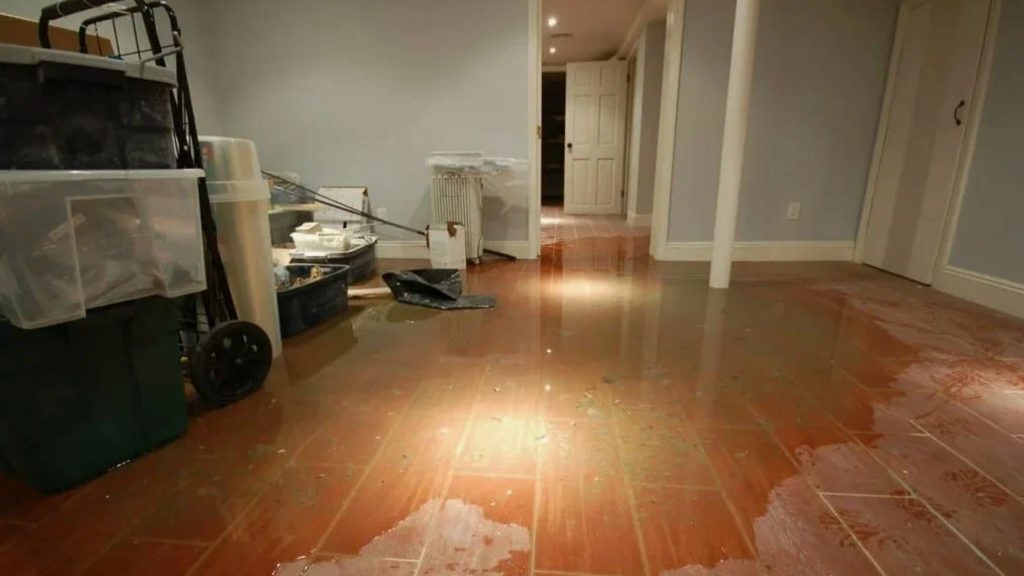
Water leaks can start small but turn into big problems if not addressed. Even a tiny drip can waste water and damage your home over time. Knowing how to spot and fix small leaks quickly can save you from expensive repairs and headaches later on.
Small water leaks often go unnoticed until they cause visible damage. A slow drip under the sink, a loose hose connection, or a tiny crack in a pipe can lead to mold growth, wood rot, and increased water bills. Being proactive and checking for leaks regularly can help you catch them early.
In this article, we’ll discuss how to identify small water leaks in your home, the essential tools and materials you’ll need for quick fixes, and a step-by-step guide to repairing common leaks. We’ll also cover tips to prevent future water leaks. By following these steps, you can keep your home dry and avoid potential damage from water leaks.
How to Identify Small Water Leaks
Identifying small water leaks early can save you from bigger problems down the line. Here are some tips to help you spot leaks in your home.
1. Look for Water Stains: Check walls, ceilings, and floors for any discolored spots or stains. These could indicate water has been leaking and has started to damage the area. Yellow or brown patches are common signs.
2. Check for Drips and Puddles: Regularly inspect areas under sinks, around toilets, and near appliances like dishwashers and washing machines. Even a small puddle can be a sign of a leak.
3. Monitor Your Water Bill: An unexplained increase in your water bill can signal a hidden leak. If your usage hasn’t changed but your bill is higher, it’s time to investigate.
4. Listen for Unusual Sounds: Sometimes you can hear a leak before you see it. Listen for the sound of dripping or running water, especially in quiet parts of your home.
5. Feel for Dampness: Run your hands along pipes and around fixtures to check for damp spots. Leaks aren’t always visible, but you might feel the moisture.
By keeping an eye out for these signs, you can catch small water leaks before they become bigger issues.
Essential Tools and Materials for Quick Fixes
To tackle small water leaks effectively, you need the right tools and materials. Having these items on hand can make the repair process easier and faster.
1. Pipe Wrench and Pliers: These are essential for tightening or loosening pipes and fittings. A pipe wrench provides a strong grip, and pliers can help with smaller adjustments.
2. Plumber’s Tape (Teflon Tape): This tape is perfect for sealing pipe threads and preventing leaks. It’s easy to use and highly effective.
3. Pipe Repair Clamp: This clamp quickly stops leaks in pipes by providing a temporary seal. They come in various sizes, so make sure to have one that fits your pipes.
4. Epoxy Putty: This putty can seal cracks and leaks temporarily. It hardens quickly and can stop leaks until a permanent repair can be made.
5. Bucket and Towels: These are useful for containing leaks and keeping the area dry while you work on repairs.
6. Adjustable Wrench: An adjustable wrench is versatile and can be used on various nuts and bolts, making it easier to fix leaks around different fixtures.
7. Flashlight: Good lighting is essential for spotting leaks in dark areas, such as under sinks or in basements.
Having these tools and materials ready means you can address small water leaks promptly, avoiding more significant damage and expensive repairs.
Step-by-Step Guide to Fix Common Leaks
Fixing small water leaks can be simple if you know what to do. Here’s a step-by-step guide to help you tackle some common leaks in your home.
1. Leaky Faucet:
– Turn off the water supply: Find the valve under the sink and turn it off to stop the water.
– Remove the faucet handle: Use a screwdriver to remove the handle and access the internal parts.
– Replace the O-ring or cartridge: These parts often cause leaks. Swap out the old one for a new, properly fitting part.
– Reassemble and test: Put the faucet back together and turn the water on to check for leaks.
2. Leaky Pipe Joint:
– Turn off the water supply: Use the main valve or a local valve to stop the water flow.
– Dry the pipe: Ensure the area is dry before making repairs.
– Apply plumber’s tape: Wrap Teflon tape around the pipe threads to create a tight seal.
– Tighten with a wrench: Use a pipe wrench to secure the joint, ensuring no gaps.
– Check for leaks: Turn the water back on and inspect the area for any drips.
3. Leaky Hose Connection:
– Turn off the water supply: Shut off the valve connected to the hose.
– Replace the washer: Unscrew the hose and replace the rubber washer inside the connector.
– Reattach and test: Screw the hose back on tightly and turn the water on to ensure there are no more leaks.
These simple steps can help you fix common leaks quickly, saving water and preventing home damage.
Preventing Future Water Leaks
Preventing water leaks can save you from a lot of trouble. Here are some tips to help keep your home leak-free.
1. Regular Inspections: Periodically check pipes, faucets, and appliances for signs of wear and tear. Early detection can prevent major problems.
2. Maintain Appliances: Follow the manufacturer’s guidelines for maintaining water-using appliances like dishwashers, washing machines, and water heaters. Replace hoses and parts as needed.
3. Install Water Leak Detectors: These sensors can alert you to leaks in real-time, allowing you to address issues before they cause significant damage.
4. Insulate Pipes: In colder climates, insulated pipes prevent freezing and bursting. Ensure both hot and cold water pipes are properly insulated.
5. Keep Gutters Clean: Regularly clear out gutters and downspouts to ensure water flows away from your home, reducing the risk of leaks and foundation problems.
6. Monitor Water Pressure: High water pressure can strain pipes and lead to leaks. Use a water pressure gauge to keep levels in check. Ideal pressure is usually around 60-80 psi.
By taking these preventive measures, you can reduce the chance of water leaks and protect your home from damage.
Conclusion
Dealing with small water leaks promptly is essential to preventing extensive damage to your home. Identifying leaks early and having the right tools on hand can make a big difference. By following step-by-step repair guides, you can fix common leaks yourself. Additionally, adopting preventive measures helps ensure your home stays leak-free in the future.
While some leaks are easy to fix, others might require professional help. If you encounter a leak that’s too challenging to manage on your own, contact Spotless Miracle, a water damage restoration company. We specialize in water damage restoration and can help keep your home safe and dry. Don’t wait until a small leak becomes a big problem—reach out to Spotless Miracle today!