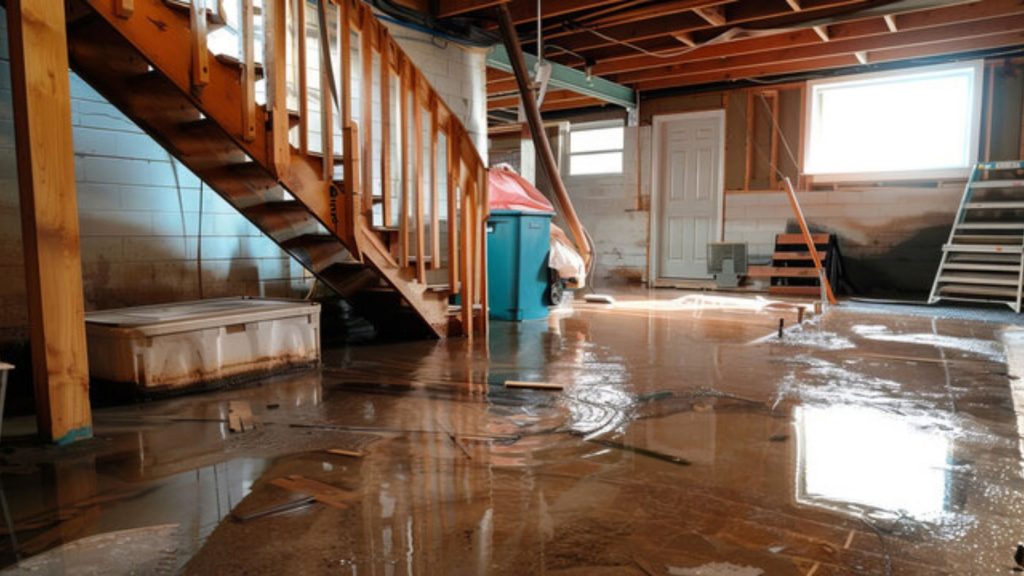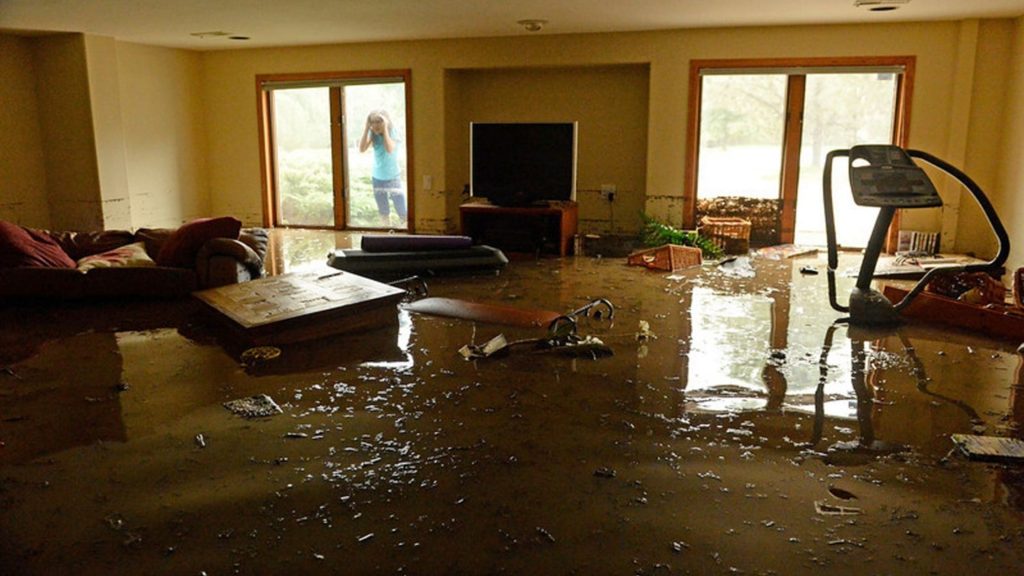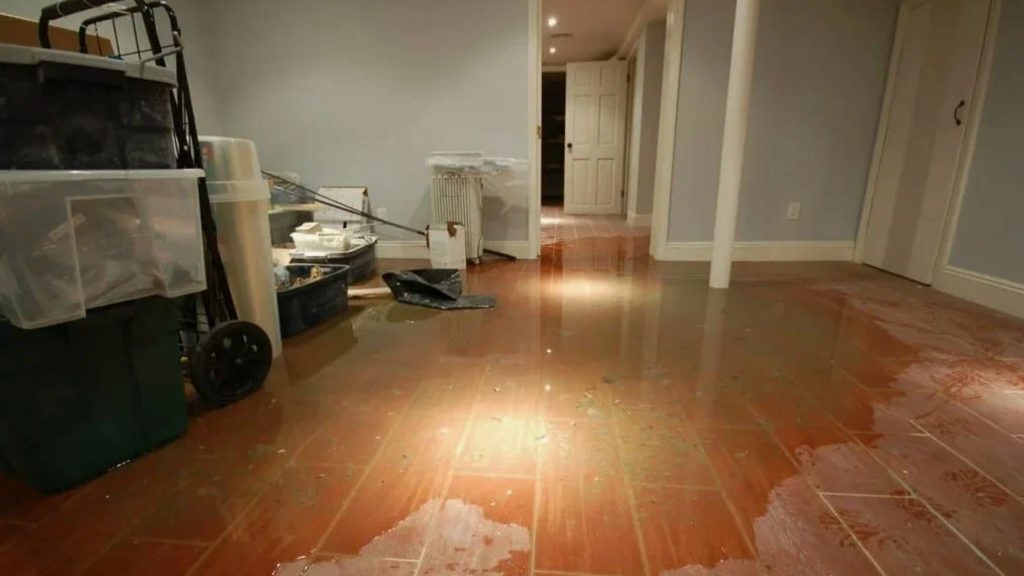
Water damage can be sneaky, causing issues behind walls, under floors, and in places you rarely check. Left unnoticed, it can lead to serious problems like mold growth, structural damage, and costly repairs. That’s why it’s crucial to identify hidden water damage early on.
Hidden water damage isn’t always obvious. It can stem from slow leaks, condensation, or even minor spills that weren’t cleaned up properly. Knowing what to look for can help you catch these problems before they escalate.
This article will guide you through the common signs of hidden water damage, how to inspect your home thoroughly, and the tools and techniques for detecting moisture. Additionally, we’ll cover preventative measures to help you avoid future water damage. By the end, you’ll be equipped with the knowledge to keep your home safe and sound.
Common Signs of Hidden Water Damage
Recognizing the signs of hidden water damage early can help you address issues before they become severe. Here are some common indicators:
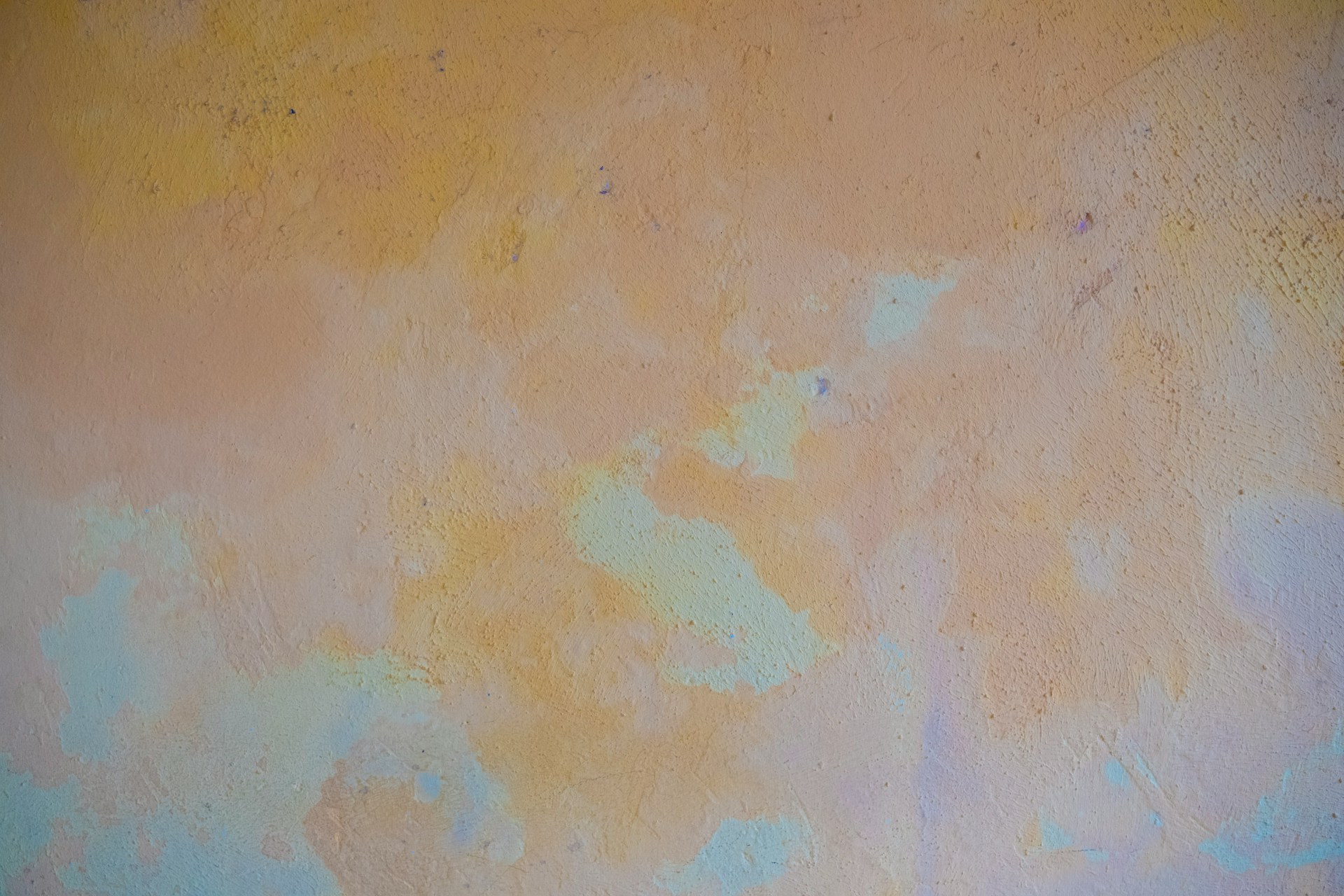
1. Discolored Walls and Ceilings: If you notice yellow or brown stains on your walls or ceilings, it’s a clear sign of water damage. These stains often appear in irregular shapes and can grow over time.
2. Peeling Paint or Wallpaper: When water seeps into walls, it can cause paint and wallpaper to blister, peel, or bubble. This is a sign that there’s moisture behind the surface.
3. Warped Floors: Wooden floors that start to warp, buckle, or become uneven likely have water damage beneath them. Carpets over damp floors may feel damp or smell musty.
4. Musty Odors: A persistent, musty smell in your home is a strong indicator of mold and hidden moisture. This odor is usually most noticeable in basements, attics, or crawl spaces.
5. Increased Utility Bills: A sudden rise in your water bill can indicate a hidden leak somewhere in your home. If you notice unexplained increases, inspect your home for possible leaks.
By being aware of these signs, you can take action to locate and fix the source of the water damage before it leads to more significant problems.
How to Inspect Your Home Thoroughly
Conducting a thorough inspection of your home can help you pinpoint hidden water damage. Here’s how to do it:
1. Start with High-Risk Areas: Focus on areas prone to water exposure, such as bathrooms, kitchens, basements, and around windows and doors. Look for any signs of moisture, stains, or damage.
2. Check the Attic: Inspect your attic for any signs of roof leaks. Look for water stains, mold growth, and damp insulation. Pay special attention to areas around chimneys, vents, and skylights.
3. Inspect Plumbing: Examine all visible pipes under sinks, behind toilets, and in the basement. Look for any leaks, rust, or corrosion. Don’t forget to check around water heaters and washing machines as well.
4. Use a Flashlight: A flashlight can help you see water stains, mold, and damp spots in dark areas like under sinks and behind large appliances. Take your time to look closely.
5. Review Outdoor Areas: Walk around the exterior of your home and check for any drainage issues, standing water, or damage to siding and gutters. Poor drainage can lead to water seeping into your foundation.
Conducting regular inspections using these steps can help you catch hidden water damage early and prevent it from worsening. Regular checks can save you time and money in the long run.
Tools and Techniques for Detecting Moisture
Finding hidden water damage often requires more than just a visual inspection. Using the right tools and techniques can help you detect moisture more accurately:
1. Moisture Meters: These handy devices measure the moisture content in materials like wood, drywall, and concrete. By pressing the meter against a surface, you can quickly see if there’s excess moisture present.
2. Thermal Imaging Cameras: These cameras detect temperature differences in surfaces, which can indicate the presence of moisture. Cold spots on walls or floors may point to hidden water damage.
3. Hygrometers: These gadgets measure the humidity level in the air. High indoor humidity can indicate that there’s a moisture problem somewhere in your home that needs attention.
4. Flashlights and UV Lights: A good flashlight helps you spot water stains and mold. UV lights can highlight areas with biological growth, which often accompanies water damage.
5. Screwdrivers and Probes: Gently prodding suspect areas with a screwdriver or probe can help you identify soft spots in wood or drywall, indicating potential water damage.
Using these tools gives you a better chance of finding hidden moisture and addressing it before it causes further issues. Regular checks with these tools can keep your home in good shape.
Preventative Measures to Avoid Future Water Damage
Preventing water damage starts with a few simple habits and maintenance tasks. Here’s what you can do to protect your home:
1. Maintain Your Roof and Gutters: Regularly check your roof for missing or damaged shingles. Clean your gutters to ensure they direct water away from your home’s foundation.
2. Install a Sump Pump: If you have a basement, installing a sump pump helps keep it dry by removing any water that collects.
3. Use Dehumidifiers: In areas prone to humidity, like basements and bathrooms, dehumidifiers can keep moisture levels in check, deterring mold and mildew.
4. Fix Leaks Promptly: Even small leaks can cause significant damage over time. Fix dripping faucets, leaking pipes, and any other sources of water promptly.
5. Grade Your Yard Properly: Make sure the ground slopes away from your home to prevent water from pooling around the foundation.
6. Install Water Alarms: Place these alarms near potential problem areas like under sinks, around the water heater, or in the basement. They alert you to leaks before they become serious problems.
Taking these preventative steps can save you from the stress and expense of water damage in the future.
Conclusion
Water damage can be a silent threat, causing serious harm to your home without warning. Recognizing the common signs, conducting thorough inspections, and using proper tools can help you detect hidden moisture early. By implementing preventative measures, you can protect your home and keep it safe from future water damage.
Taking action now is essential to maintaining a healthy living environment. Hidden water damage doesn’t have to be overwhelming if you stay vigilant and proactive. Keeping your home in good condition will save you money and stress in the long run.
If you suspect water damage or need help preventing it, contact Spotless Miracle. Our residential water damage restoration and mold remediation services will ensure your home stays dry and healthy. Don’t wait—give Spotless Miracle a call today!